
Orthotics
Our certified practitioners design and fabricate custom orthotics that address a wide range of clinical needs. Our clinicians make sure that the custom orthotic is designed to your specific measurements to ensure a proper fit and that the highest quality materials are used for dependability.
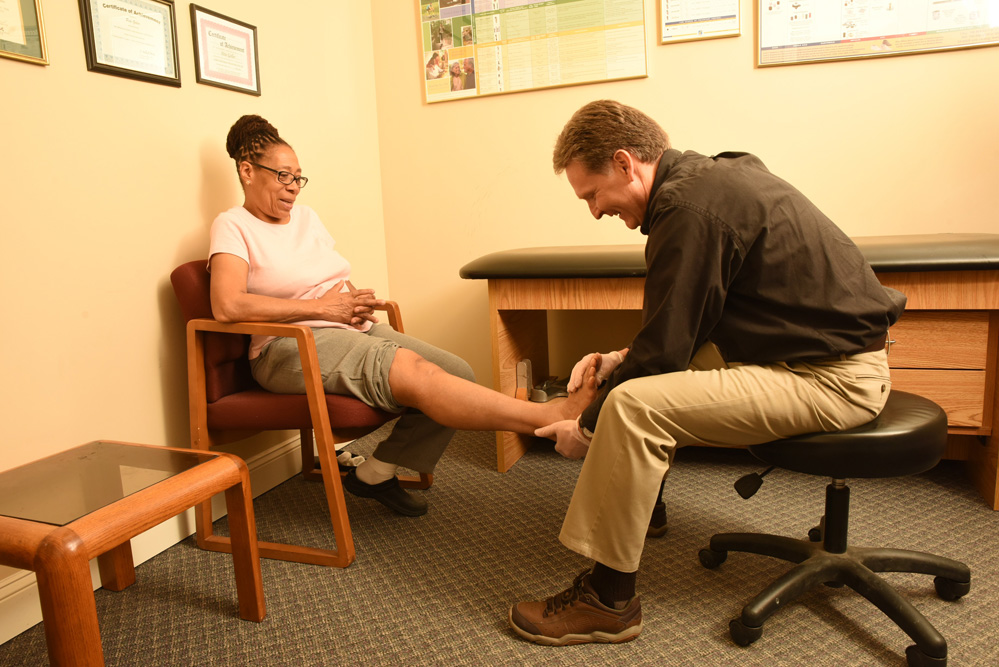
Our certified practitioners design and fabricate custom orthotics that address a wide range of clinical needs. Our clinicians make sure that the custom orthotic is designed to your specific measurements to ensure a proper fit and that the highest quality materials are used for dependability.
We also strive to customize the design of the orthosis to meet your lifestyle needs, making sure that not only does the orthosis fit properly, but that the device is as comfortable to wear as possible.
Our goal throughout the entire process, from start to finish, is to work with you, your family members and your rehabilitation team to achieve the best outcome possible.
Orthotic Technology Options
At Metro, we offer the latest in technology; however, we understand that not every person has the same needs. Oftentimes, the most advanced technology is just not the right fit for your needs and activity level. We will work with you to understand which options best meet your lifestyle and goals, so that you are comfortable making the best decision.
There are many orthotic options available. We are happy to provide any of the orthosis on our site, but are also happy to discuss other options that you may be aware of. Getting the correct orthosis for you, and making sure it has the best fit possible, are our priorities.


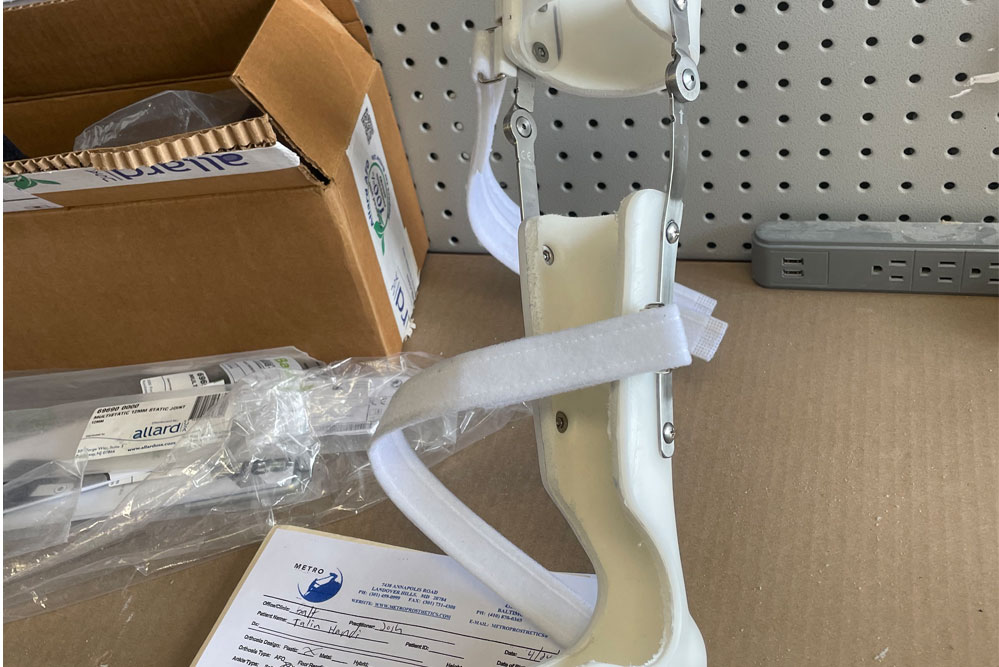


At Metro Prosthetics we provide free consultations for all devices. Your specialist will work with your physician to ensure your orthotic needs are met.
FAQs About Orthotics
Can I begin wearing my orthotic immediately? (Wearing schedule)
Yes… and no. Like new shoes, your orthotic may take some getting used to, so it is important to create a wearing schedule that lets you get used to your new device. Initially you’ll start by wearing it for short periods of time, followed by taking it off for a while. Over time, you will increase the amount of time you wear your orthosis, until you are wearing it for the majority of your day (and night). We make sure that we work with you, to create a schedule that best helps you adapt to your new orthosis.
Will wearing an orthosis be painful?
With proper care and fitting, wearing an orthosis should not be painful. If you are experiencing pain related to wearing an orthosis, you should contact us immediately so we can schedule a follow-up visit to evaluate the problem.
Skin evaluation
It is important to take good care of the skin in the areas that come into contact with your orthosis, in order to prevent skin breakdown. Skin breakdown can occur if the skin is irritated over time – it may become painful, red, raw or blistered. Pay attention to your skin and evaluate it for any signs that breakdown may be occurring. Remember to clean the orthosis with mild soap and water, and avoid applying skin creams or lotions that may come into contact with the orthosis. . If you are believe you are experiencing skin breakdown, please contact us immediately so we can schedule a follow-up visit to evaluate the problem.
How often will I need to come back in for a follow-up visit?
Although this information can vary greatly from person to person, you should see your orthotist every 3-6 months. However, once you are properly fitted, follow-up visits are often focused on evaluating any changing needs you might have have, based on your lifestyle and activity levels changing over time. If you have a sudden change in lifestyle or activity, such as a change in weight of 10 pounds, you should call your orthotist to evaluate whether or not you should schedule a follow-up visit.
How often will I need to replace or repair my orthosis?
Although orthoses are made from durable materials intended to last many years, your orthotosis is made with many parts that intended to move to aid in your mobility. It is possible that your orthosis and/or some of the moving parts may wear over time, especially if your lifestyle or activity level changes. Having regularly scheduled followed up visit will help your orthotist identify any potential wear or fitment issues. Be sure to let your orthotist know if you believe your orthosis is showing signs of wear, or is fitting or performing differently than it was previously. If you believe your orthosis needs to be replaced or repaired, call your orthotist – they can help evaluate your orthosis, and determine the best solution.
Will I need a prescription for a follow-up visit?
No. Follow-up visits for adjustments and fitment issues do not require a prescription. However, if it is determined that you need a new orthosis based on a change in your activity level, requiring a different basic function from the orthosis, it is likely that you will need to obtain a prescription for the new orthosis. Your orthotist can help you understand which orthotic solution best matches your activity level.